When people talk about wine, attention almost always focuses on the harvest.
But a decisive part of the work begins afterwards.
Between January and March, while outside the vines are dormant, the cellar enters a delicate phase: blending, tasting, decisions about the new vintages.
It’s a quiet moment. Not spectacular.
But this is where a wine takes its final shape.
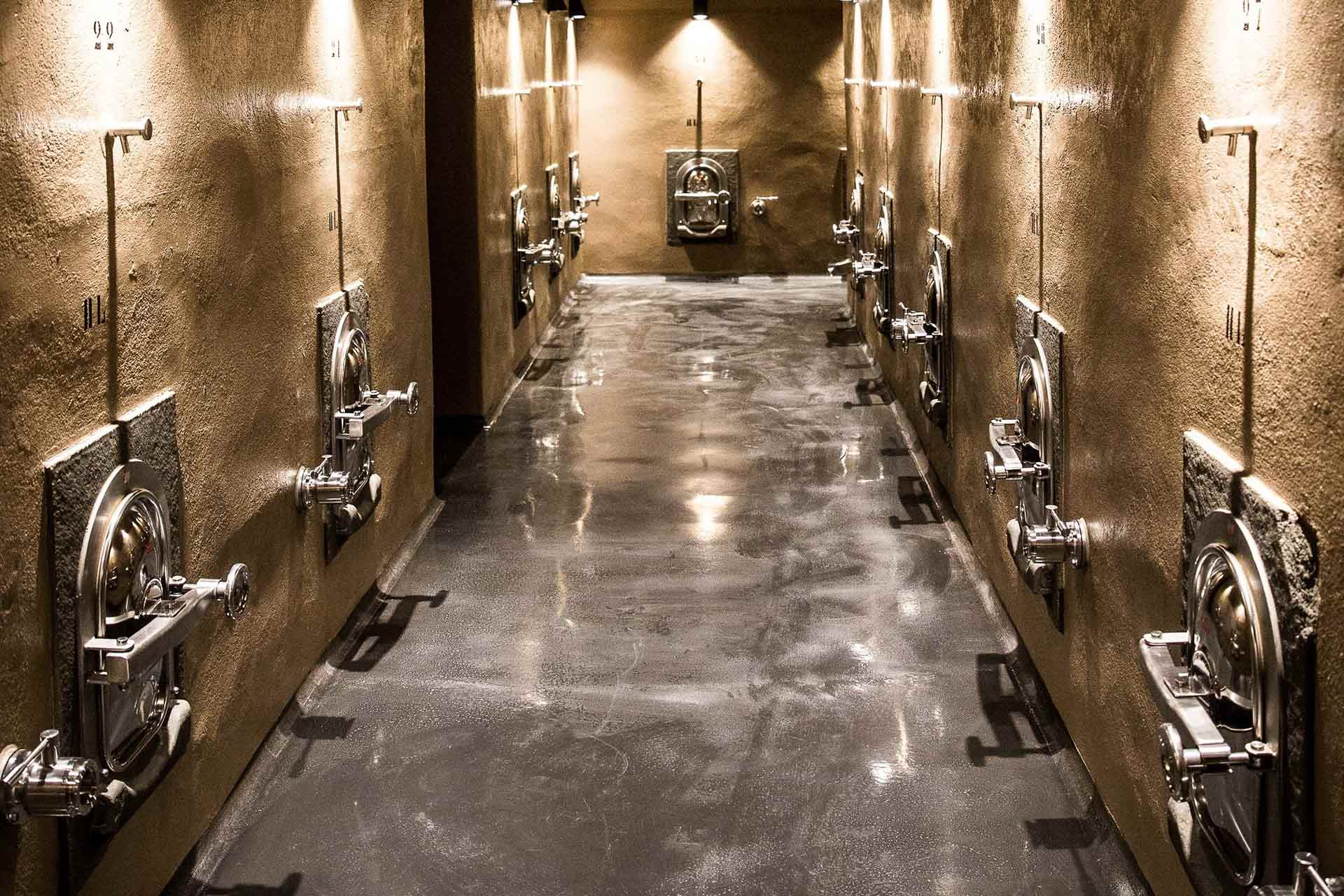
What “Blending” Means
The term can sound technical. In reality it’s simple:
“blending” means deciding how to assemble the different batches of wine.
During harvest and winemaking, the grapes are processed by plot, by variety, sometimes by micro-zone. Each tank tells a different story:
- a more structured Sangiovese
- a fresher batch
- a selection with firmer tannins
- a more floral lot
The work at this stage is about understanding how to combine these parts to achieve balance.
It’s not about “improving” the wine.
It’s about respecting it and putting it in a position to express itself at its best.
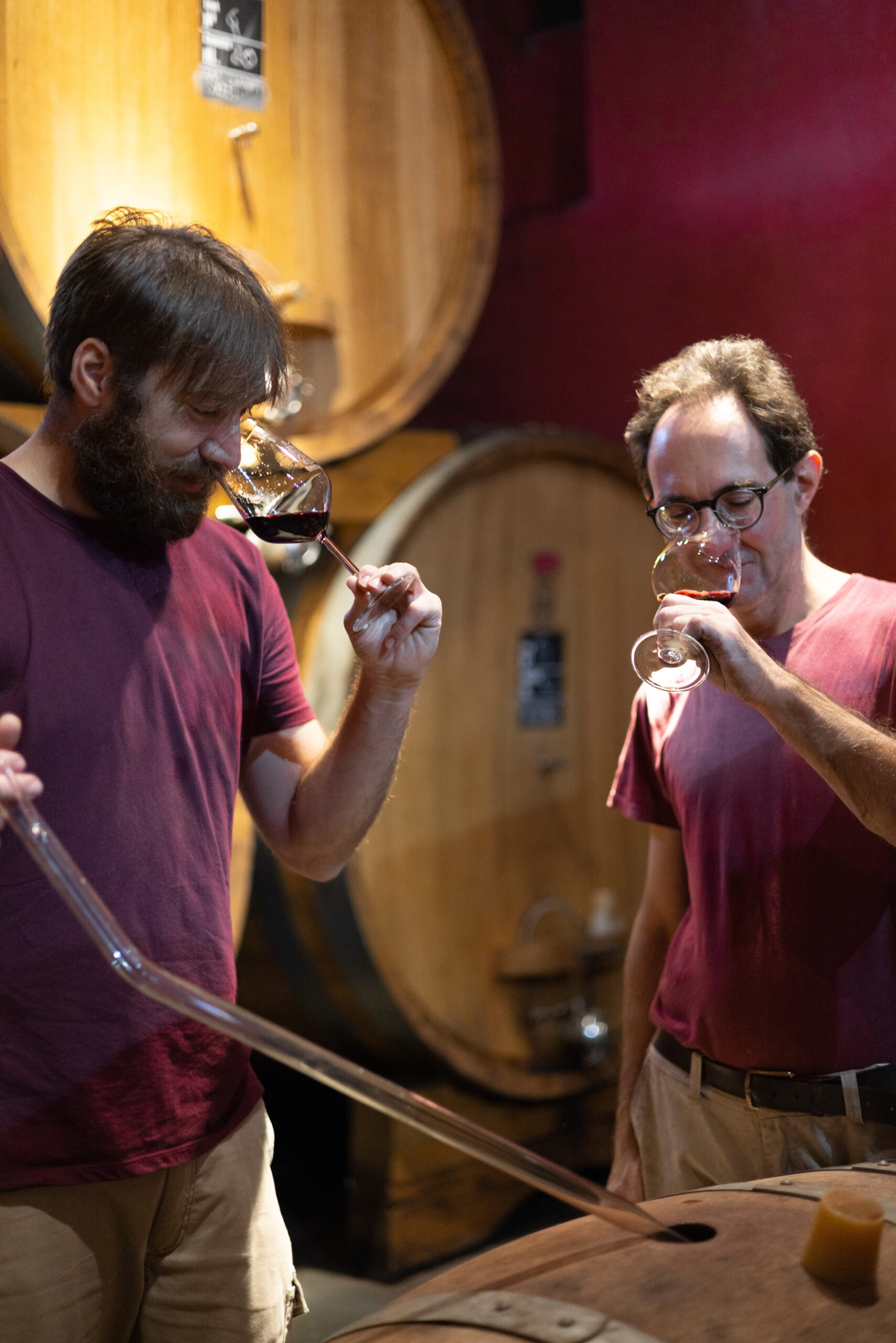
Tasting as a Working Tool
In winter the cellar turns into a technical tasting room.
There’s a lot of tasting. Notes are taken. Samples are compared.
It’s not a romantic moment. It’s analysis.
What’s assessed:
- acidity
- tannic structure
- aromatic profile
- balance between alcohol and freshness
- ageing potential
Some wines are already ready to be defined.
Others need time in wood or steel to find harmony.
Every vintage is different. And this is even more true after climatically challenging seasons.
The 2025 Season and First Impressions
After a cold spring and a summer with sudden heat spikes, the grapes showed very interesting characteristics:
- good concentration
- well-preserved acidity
- not excessive ripeness
The batches in the cellar are evolving cleanly.
Sangiovese, in particular, shows a fine tannic weave and good energy.
It’s too early to fully define the profile of the new vintages, but the foundations are solid.
Steel, Concrete, Wood: What Happens Now
This is also when the fate of each wine is decided.
Some batches stay in steel to preserve:
- freshness
- tension
- aromatic precision
Others continue ageing in:
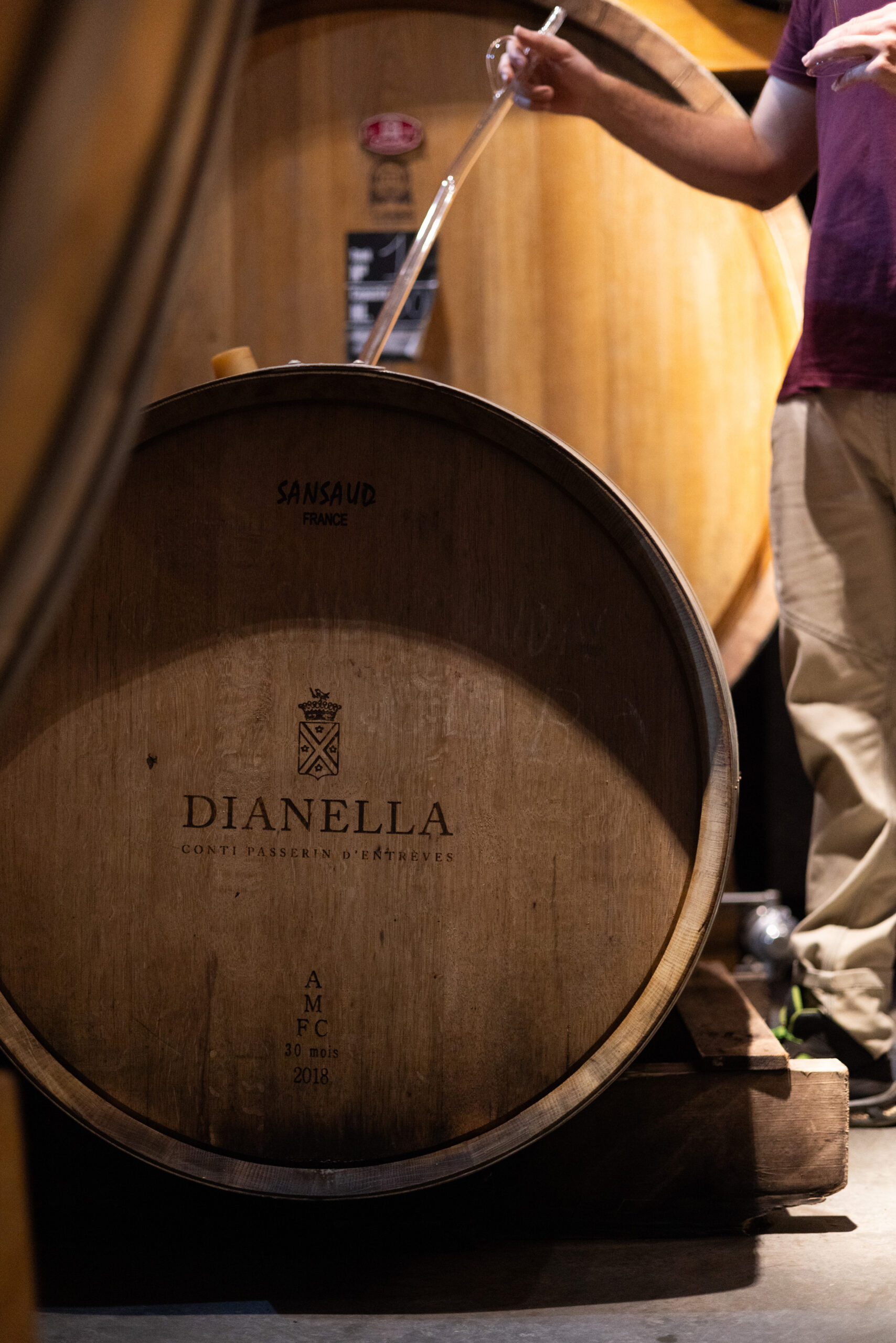
- barriques
- tonneaux
- large casks
The choice of wood is never automatic.
It depends on the character of the wine.
A more vertical Sangiovese may only need time, not extra structure.
A more concentrated wine, on the other hand, can find balance through a well-measured passage in wood.
The New Vintages: What to Expect
The blending work leads to defining the new releases.
Some wines will see the light in the coming months. Others will require more patience.
The new vintages will be characterised by:
- balance rather than power
- evident freshness
- clean aromatic definition
- less aggressive tannins compared to very hot vintages
It’s not a “muscular” harvest.
It’s a harvest aiming for precision.
A Team Effort
The cellar is never the work of just one person.
From the vineyard to fermentation, right through to the final blends, every stage is connected.
The choices made today reflect decisions taken months earlier among the vine rows.
The principle always stays the same:
wines are born in the vineyard, but they’re defined in the cellar.
And defining means having the courage to:
- take away, not add
- wait, not rush
- accept the character of the vintage
Why This Moment Is So Important
Many people think a wine’s quality is already decided at harvest time.
That’s partly true. But without careful decisions in the cellar, that potential can remain unfulfilled.
The blending period is when you build:
- stylistic consistency
- estate identity
- the wine’s recognisability
It’s the moment when you decide what will be ready sooner and what instead deserves to rest a little longer.